
The guide
Retinal, spicules and peptides: how the Retinal Shot works
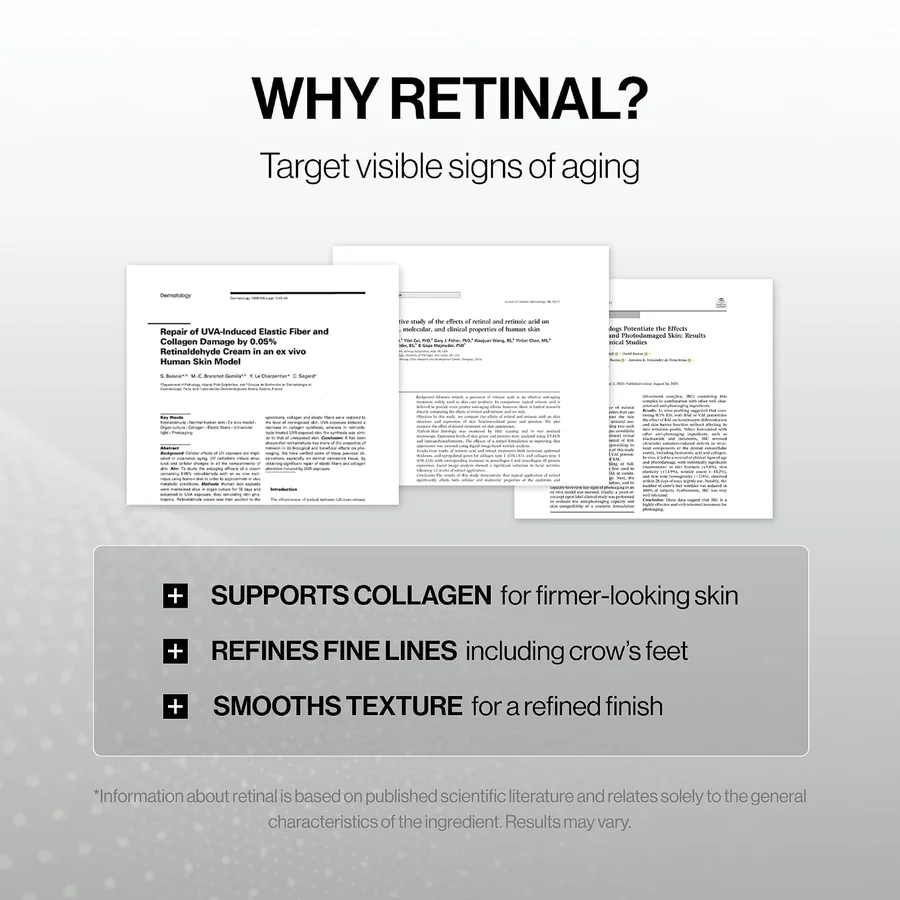
Retinoids are the most researched anti-aging ingredients in skincare, but they are not all the same. Skin can only use retinoic acid, so every over-the-counter retinoid has to be converted first. Retinyl esters need three conversions, retinol needs two, and retinal (retinaldehyde) needs just one. That single step is why retinal is often called the fast-acting retinoid — and why a 0.1% retinal is considered a high-performance strength.
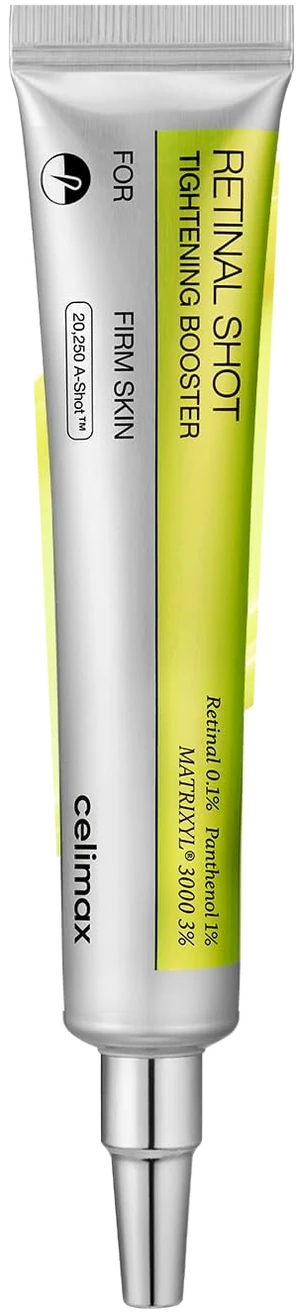
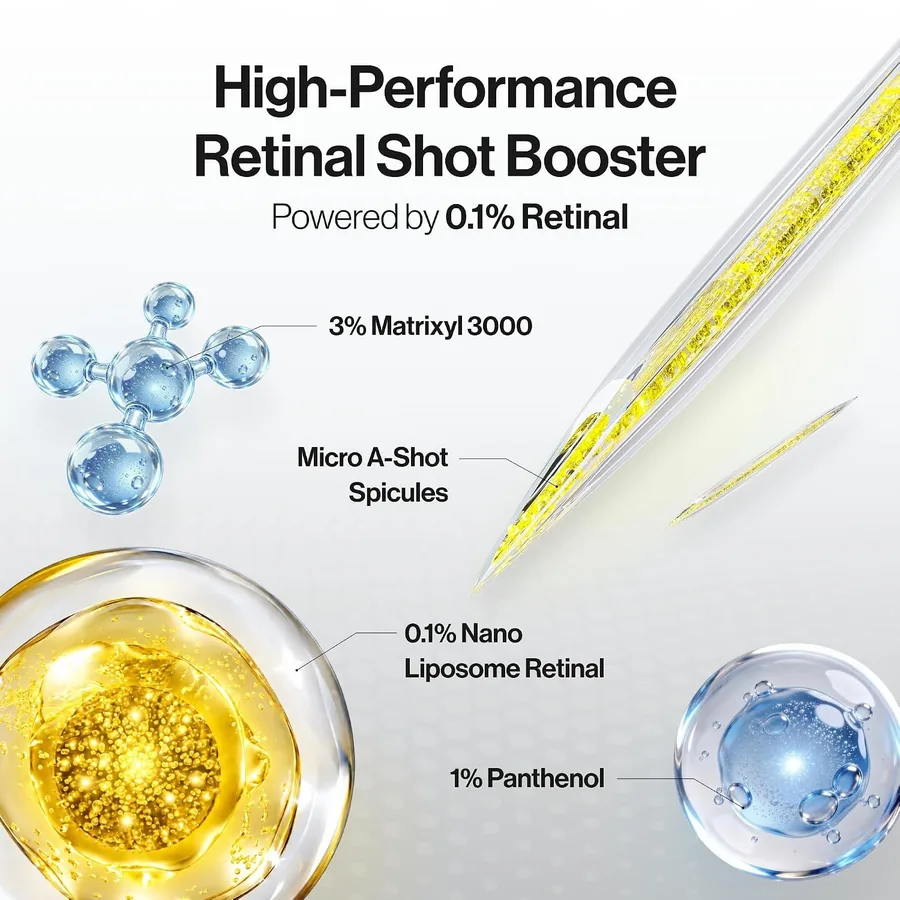
celimax’s Vita-A Retinal Shot Tightening Booster wraps that 0.1% retinal in nano-sized liposomes — tiny lecithin spheres that help protect a fragile, light-sensitive ingredient and release it gradually. It pairs it with 3% Matrixyl 3000, a peptide complex of palmitoyl tripeptide-1 and palmitoyl tetrapeptide-7 that supported four types of collagen in vitro, and 1% panthenol to keep skin calm while it adjusts.
The “shot” is A-Shot™: ultra-fine micro-spicules from hydrolyzed sponge, 16 times finer than a pore. They settle into the outermost layer of skin and give a light, temporary tingle, the signature feeling of spicule skincare. In the brand’s clinical test, skin showed visible lifting in two weeks — eye area +4%, cheeks +3.32%, mouth corners +3.21% — and 3-depth firmness rose 7.54%.
Retinal is strong, so start slow. First-time users should use a rice-grain amount one or two nights a week, move to every other night as skin adjusts, and only then go nightly. Use it at night only, keep it away from the eye area, skip it on nights you use acids or other retinoids, moisturize afterwards and wear SPF every morning. Avoid retinoids if you are pregnant or breastfeeding.