After “what can I actually eat?”, the question I hear most about going gluten-free is some version of this: “I'm not eating anything fancy, so why has my grocery bill nearly doubled?”
When you dig into it, the answer is usually the same. One big supermarket, every week, with half the cart coming from the free-from aisle. The problem isn't what people are buying. It's where they're buying it.
I wrote a whole post on how to eat gluten-free on a budget, which is mostly about cooking. This one is the other half of the story: where to buy gluten-free food cheap, which shops are worth the trip, and which bits of the job are better handed to the internet.
Why the free-from aisle costs so much
It isn't just you. When researchers in the UK compared gluten-free products with their regular versions, the gluten-free ones cost on average 159% more. That's £1.14 per 100 g against £0.44 (Fry, Madden and Fallaize, Journal of Human Nutrition and Dietetics, 2018). Bread, crackers, cereal and pasta were where the gap showed up.
Some of that premium is real. Dedicated production lines, testing and smaller batches all cost money. But a lot of it is just the price of convenience and a nice label. And here's the part that took me far too long to notice: the expensive stuff is only a small slice of what a gluten-free person actually needs to buy.
So the trick is to split your shopping into two lists and buy each one in a different place.
The two-list rule
List one is food that never had gluten in it. List two is food that's been made gluten-free on purpose. They need completely different shopping habits.
- List one, naturally gluten-free: rice, potatoes, dried beans and lentils, corn, eggs, fresh meat and fish, milk and yogurt, fruit and vegetables, plain nuts. Buy these wherever they're cheapest. No special label needed.
- List two, made gluten-free: bread, pasta, crackers, cereal, baking flour blends, gluten-free oats, ready meals. Buy these from store brands, in bulk, or on sale, and keep the list short.
- Grey area: spices, stock, sauces, flours like besan or rice flour. These are naturally gluten-free but can pick up wheat in the factory. If you have celiac disease, buy versions labelled gluten-free.
Most people's budget problem is that list two quietly takes over the cart. Get list one right and the rest gets much easier.
Where to buy gluten-free food cheap: store by store
Prices change by city and by week, so I won't pretend there's one cheapest shop for everyone. But these are the places that keep coming up, both in my own shopping and in what readers tell me.
Aldi: the best place to start
If there's an Aldi near you, it's the first place I'd look. Their own gluten-free range is called liveGfree and it's been around since 2014. You'll find bread, pasta, crackers, cake mixes, snacks and a few frozen things like breaded chicken nuggets.
What I like about it is the standard. liveGfree products are certified to contain less than 10 parts per million of gluten, which is stricter than the 20 ppm the FDA requires for a gluten-free label. Some items are still made in plants that also handle wheat, so read the pack if that matters to you.
The catch is that Aldi rotates stock a lot. If you find a liveGfree bread you love, buy two and freeze one. It may not be there next week.
Walmart: big range, easy to filter
Walmart's own Great Value brand labels quite a few products gluten-free, and on the website you can filter the gluten-free section by brand. That makes it simple to see what's cheapest before you go, or to do a pickup order without walking past the expensive stuff.
Look for the plain things here: rice, dried beans, canned tomatoes, corn tortillas, frozen vegetables, peanut butter, and the store-brand items that carry a gluten-free claim on the label. Big-name gluten-free bread is usually still pricey, so that's one to compare against Aldi.
Warehouse clubs like Costco and Sam's Club
Warehouse clubs are brilliant for list one if you have the space and actually go through the food. Big bags of rice, quinoa, frozen fruit, eggs in big flats, nuts, and sometimes gluten-free pasta or crackers in multipacks.
My only warning: a 10-pound bag of something is only a bargain if you finish it. Gluten-free flours in particular can go stale or rancid, so keep them in the freezer if you buy big.
South Asian, East Asian and Latin grocers: the real secret
This is where I save the most, and it's the tip nobody seems to give. Food that the free-from aisle sells as a specialty product is just an everyday ingredient in other kitchens, and it's priced like one.
- Indian and Pakistani shops: besan (chickpea flour), rice flour, jowar, bajra and makki atta, poha, big bags of basmati, every kind of lentil.
- Chinese, Thai, Vietnamese and Korean shops: rice noodles, rice paper, glutinous rice flour, tapioca starch, potato starch.
- Mexican and Latin shops: masa harina for tortillas and tamales, corn tortillas by the big pack, dried beans, plantains.
The same bag of rice flour that sits in a supermarket baking aisle in a pretty box usually costs a fraction of that price on a shelf next to the dal.
Trader Joe's and other mid-price grocers
Trader Joe's isn't the cheapest place for basics, but it's good for small, reasonably priced gluten-free extras, and a lot of their own-brand products say gluten-free right on the label. I'd use a shop like this for the occasional treat or a ready-made sauce, not for the weekly rice run.
Discount and dollar stores
Don't skip these for list one. Canned beans, canned fish, rice, popcorn kernels, peanut butter and spices often cost less here. Just check dates, and read every label, because cheap sauces and seasoning packets are exactly where wheat likes to hide.
Buying gluten-free food online for less
Online shopping really pays off for list two, the specialty items you use every week. A few things that make it cheaper:
Amazon Subscribe & Save
Subscribing to an item usually takes 5% off, and that goes up to 15% once you have five or more subscriptions arriving together. Gluten-free pasta, oats and flour blends work well here. You can cancel or change the subscription any time.
Membership grocers like Thrive Market
Thrive Market has a big gluten-free filter and its own-brand staples are often cheaper than supermarket names. It charges a yearly membership (around $60 a year at the time of writing), so it only makes sense if you'll use it regularly.
Buy by the case from the brand
If there's one gluten-free bread or pasta you can't live without, check the brand's own website. Case deals and first-order discounts often beat the per-pack price in shops.
Watch shipping, not just the price
A cheap bag of flour with expensive shipping isn't cheap. I keep a running list and place one bigger order instead of lots of small ones.
What to buy where: my cheat sheet
If you only remember one part of this post, make it this one.
- Rice, lentils, dried beans: South Asian grocer or warehouse club, in the biggest bag you'll finish.
- Flours (besan, rice, corn masa): ethnic grocer if you're not celiac; labelled gluten-free packs online or at Walmart if you are.
- Bread and crackers: Aldi liveGfree first, then store brands. Freeze bread the day you buy it.
- Pasta: store-brand gluten-free pasta, or rice noodles from an Asian grocer. Buy several when it's on offer.
- Gluten-free oats: online in bulk. Ordinary oats aren't safe for most people with celiac disease.
- Fruit, vegetables, eggs, dairy, meat: wherever your normal cheap supermarket is. These don't need a special shop at all.
Habits that save more than any single store
Where you shop matters, but a few habits matter just as much.
- Look at the unit price (price per ounce or per 100 g), not the sticker price. Gluten-free packs are often smaller, which hides how expensive they are.
- Pick store brands over big names. In my experience the difference in taste is small and the difference in price is not.
- Freeze anything bready on the day you buy it. Gluten-free bread goes stale fast and toasts better from frozen anyway.
- Check the clearance shelf. Gluten-free bread and baked goods get marked down near their date more often than you'd think.
- Don't buy something just because it says gluten-free. A gluten-free cookie is still a cookie, and the label can make you pay double for it.
And when I want a snack I didn't have to bake, I go for things that are naturally made from rice or corn rather than reworked wheat products. Dang's Mango Sticky Rice chips are one I keep around. They're gluten-free and vegan, and they feel like a treat without the free-from aisle markup.
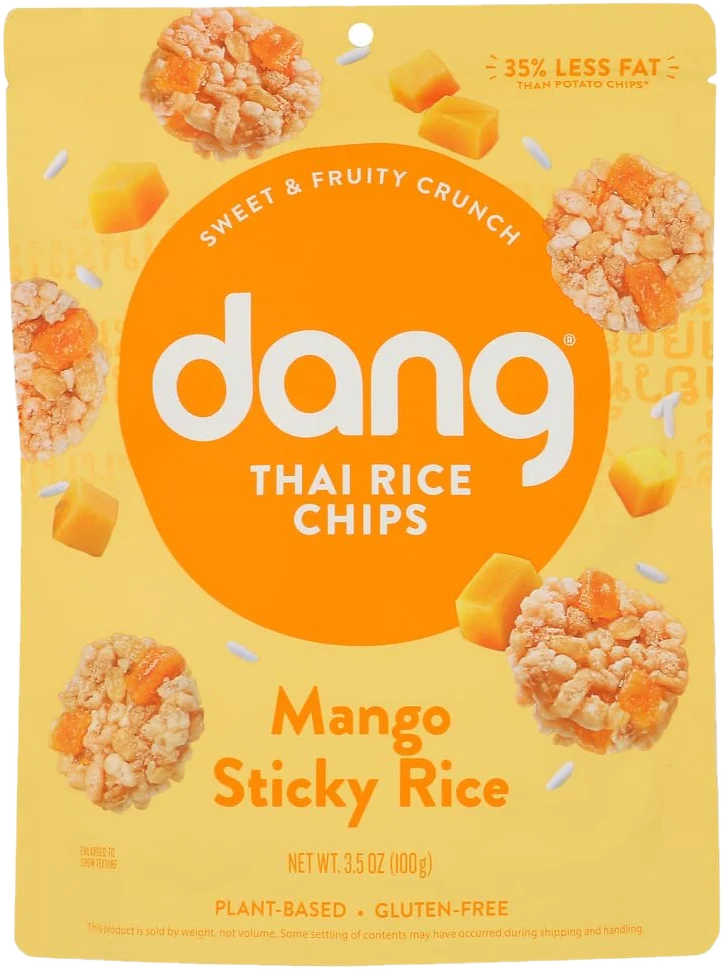 DangMango Sticky Rice Thai Rice ChipsSee the details and price
The money most people with celiac disease forget to claim
This one is only for the US, and only for people with a diagnosis, but it surprised me when I first read about it. If you or a dependent has celiac disease (or non-celiac gluten sensitivity, according to the Celiac Disease Foundation) and a doctor has told you in writing to follow a gluten-free diet, part of your food cost can count as a medical expense.
It isn't the whole grocery bill. You can count the difference between the gluten-free product and its regular version. If gluten-free bread costs $5 and regular bread costs $2.50, you count $2.50. Items with no regular version, like xanthan gum, can count in full, and so can shipping on gluten-free food you order online.
There are real limits, though. You have to itemize your deductions instead of taking the standard deduction, and only medical costs above 7.5% of your adjusted gross income count. For a lot of people that means it won't add up to anything. For families with big medical bills it can. Keep your receipts and your doctor's note either way, and ask a tax preparer before you claim it. I'm not a tax advisor, and the rules are worth checking for your own situation.
A quick word on safety
Saving money should never mean taking a risk you don't need to take. In the US, a food labelled “gluten-free” has to contain less than 20 parts per million of gluten, which is the level considered safe for most people with celiac disease. That label is voluntary, though, so plenty of perfectly safe foods (a bag of plain rice, a carton of eggs) won't carry it.
Bulk bins are the one place I'd avoid completely if you're celiac. Shared scoops and customers pouring flour next to rice make cross-contact very likely. If you're not sure whether gluten is your problem in the first place, it's worth reading up on the signs and getting tested before you change how you shop.
 Read nextHow do you know if you're gluten intolerant? Signs, tests and what to do firstRead the post
The bottom line
So where should you buy gluten-free food cheap? Not in one place. Get your rice, lentils and flours where other cuisines treat them as everyday food. Get your bread and pasta from store brands like liveGfree and Great Value. Order the things you use every week in bulk online. And keep the free-from aisle for the odd treat.
Your bill probably won't drop all the way back to what it was before you went gluten-free. Specialty bread will always cost more. But splitting your shopping this way closes most of the gap, and that's a lot of money over a year. If you want the cooking side of it too, my budget post has four cheap recipes and a full week of meals.
 Read nextGluten-free on a budget: how I actually make it workRead the post
Questions people ask me
What is the cheapest place to buy gluten-free food?
For specialty items like bread and pasta, Aldi's liveGfree range and Walmart's Great Value gluten-free products are usually the cheapest. For naturally gluten-free staples like rice, lentils and flours, South Asian, East Asian and Latin grocers and warehouse clubs are often cheaper still.
Is it cheaper to buy gluten-free food online?
For things you use every week, often yes. Amazon Subscribe & Save, membership grocers like Thrive Market and buying by the case from a brand can all beat shop prices. Check shipping costs before you decide.
Where can I buy gluten-free flour cheap?
Besan (chickpea flour) and rice flour are cheapest at Indian, Pakistani and Asian grocers, and masa harina at Latin grocers. If you have celiac disease, choose packs labelled gluten-free, because these flours are sometimes milled alongside wheat.
Why is gluten-free food so expensive?
Specialty gluten-free products need separate production, testing and smaller batches, and they're often sold as premium goods. A UK study found they cost on average 159% more than regular versions. Naturally gluten-free foods like rice and potatoes don't carry that premium.
Can I claim gluten-free food on my taxes?
In the US, people with a diagnosis and a doctor's written prescription for a gluten-free diet can count the extra cost of gluten-free food as a medical expense, but only if they itemize and only above 7.5% of adjusted gross income. Speak to a tax preparer before claiming it.
This post contains affiliate links. If you buy through them I may earn a small commission at no extra cost to you.